Suitable for reuse or second life as tested.
Typical routeSecond-life storage, repair stock or resale
InvestorsBuilding the decision layer for used EV batteries.Learn more
Six steps, priced per step. Every pack leaves with a grade, a report and a route.
The first two steps run for every pack. The rest only when they change the decision.
Each pack is logged with its identity, origin, available history and photos, so every later result traces back to one physical pack.
You get: A pack record with identity, origin and photos.
A visual and safety check decides whether the pack can be connected at all.
You get: Safe to test, or quarantine with the reason in writing.
Damaged or critical? It goes to quarantine and gets no further tests.
Through an OEM-grade pack interface we read state of health, cell voltages, temperatures and stored fault codes.
You get: State of health, cell balance, temperatures and fault codes.
Clear result? The pack is graded straight away.
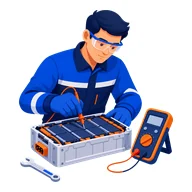
When a buyer needs measured capacity, the pack is charged and discharged under controlled conditions and its delivered energy is recorded.
You get: Measured capacity and delivered energy under recorded conditions.
Only on order, so you never pay for evidence the decision does not need.
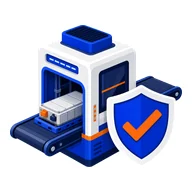
Every pack receives a grade and a written report with the evidence behind it, its limits and the recommended next use.
You get: Good, medium or bad, with the reasons and the limits of the evidence.
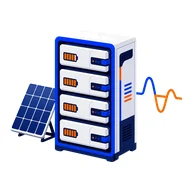
We match the pack with the route where it is worth most and safe to go: repair, reuse, second life or certified recycling.
You get: A recommended route and a party that accepts the evidence.
One grade per pack, with the reasons in the report.
Suitable for reuse or second life as tested.
Typical routeSecond-life storage, repair stock or resale
Usable with limits, repair or a less demanding application.
Typical routeRepair, less demanding second life or parts
Parts recovery or certified recycling, documented.
Typical routeParts recovery or certified recycling
Most packs are graded after the BMS read-out. You only pay for the evidence the decision needs.
Every packIntake, visual and safety check, short report
About 8 in 10 packsState of health, cell voltages, temperatures and fault codes
About 1 in 3, on orderMeasured capacity and behaviour under load
Paid by the buyer, only when a pack is placed.
One report a holder can decide on and a buyer can accept. Structured along EN 18061:2025.
EN 18061:2025 is the European standard for preparing EV batteries for repair, reuse and repurposing. Our report is a BatteryCentr test record, not a statutory certification or a lifetime guarantee.
Illustrative values
The grade decides the route. We match each pack within our own network.

Stationary energy storage for packs with healthy, balanced cells.

Back into a vehicle, as a replacement pack or through resale.

Dismantling for modules and components that still perform.
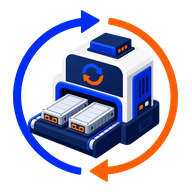
When nothing else is safe or viable, a documented recycling decision.
A pack that cannot be reused still leaves with a documented, compliant decision.
Have packs that need a new destination? Ask us, and we reroute them to a suitable party in our network.
We test every pack, recommend its best next use and forward it to the matching party in our network.
Repairers, second-life buyers, parts recoverers and certified recyclers, matched to each pack's grade.
Tell us the pack type, quantity and location.